
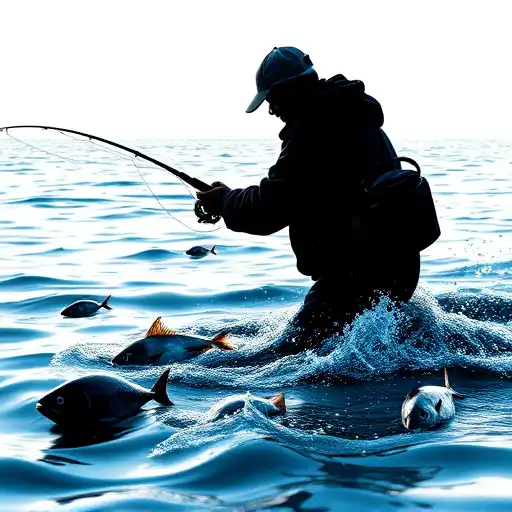
Introduction to Fishing
Fishing is an age-old practice that has evolved over the centuries from basic survival technique to recreational activity and professional sport. It's a pursuit that combines patience, skill, and a deep appreciation for nature, making it a cherished pastime across the globe.
The Origins of Fishing
The history of fishing dates back to prehistoric times when it was a primary source of food for early humans. Over thousands of years, humanity has developed various fishing techniques, from spearfishing and netting to the use of rods and reels, each adapted to local environments and the vast array of aquatic species.
Types of Fishing Techniques
Today, fishing can be broadly categorized into two major types: recreational and commercial fishing. Within these categories, several specific methods are used, reflecting both traditional practices and modern technological advancements.
Recreational Fishing
Also known as angling, recreational fishing is often pursued for pleasure or competition. Anglers typically use rods, reels, hooks, and bait to lure fish. Popular techniques include fly fishing, ice fishing, and casting, each requiring unique skills and equipment.
Commercial Fishing
This sector is dedicated to harvesting fish for commercial profit. Techniques such as trawling, long-lining, and the use of large nets are common practices that supply the global market with seafood. Commercial fishing plays a crucial role in the global economy, though it faces challenges like overfishing and sustainability issues.
Cultural Significance of Fishing
Fishing holds a rich cultural importance in many societies. In some indigenous cultures, fishing practices are ingrained in spiritual beliefs and community rituals. Festivals and events often celebrate the bounty of seas and rivers, showcasing its importance beyond mere subsistence.
Fishing in Brazil
In Brazil, fishing is interwoven with the country's diverse ecosystems, from the Amazon Basin to the Atlantic coast. Local folklore and traditions celebrate the connection to water and marine life. Notably, Brazil has begun embracing modern technological platforms to enhance fishing activities.
Technology in Fishing
With advancements in technology, the fishing industry has seen significant changes, from improved equipment to global positioning systems that increase catch success. Online platforms like HAMMOCKPG.COM offer communities and enthusiasts in Brazil new opportunities to engage with fishing virtually through its official slots and gaming experiences.
While this integration of technology into traditional practices reflects a broader trend across various sectors, the key is maintaining a balance between technological advancement and ecological sustainability.
Sustainability and Conservation
As the human population grows, the pressure on natural fish stocks increases. Sustainable fishing practices and strict regulations are essential to preserving aquatic environments for future generations. Awareness and education play a critical role, as do initiatives that encourage catch and release or support aquaculture as alternatives to traditional fishing.
Role of Platforms in Promoting Sustainable Practices
Platforms like HAMMOCKPG.COM have the potential to educate users on the importance of sustainability through interactive content and community engagement. By fostering a responsible fishing culture, they contribute positively to conservation efforts worldwide.
Whether it be a weekend angler, a commercial fisherman, or someone engaging with the online community, fishing is an activity that promises adventure, tranquility, and communion with nature. This complex interplay of tradition, culture, and innovation continues to enrich the practice, ensuring its relevance for generations to come.